Ever found yourself reaching for a chocolate bar or a bag of salty chips right before your period and wondered, “Why do I crave these so much?” You’re not alone. Many menstruating individuals experience specific food cravings during their menstrual cycle. Let’s dive into the science behind these cravings and explore ways to manage them while still indulging in some guilt-free treats.
Hormonal Havoc: The Culprits Behind Your Cravings
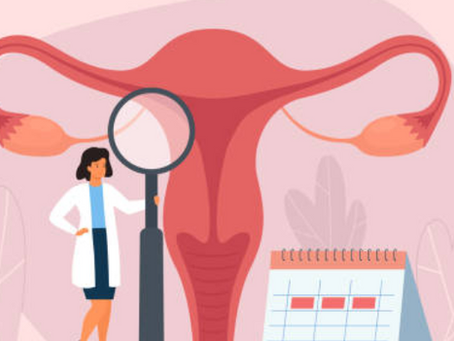
Your menstrual cycle is a hormonal roller coaster, primarily influenced by estrogen and progesterone. These hormones don’t just regulate your reproductive system; they also impact your appetite and food preferences.
Estrogen: During the first half of your cycle (the follicular phase), estrogen levels rise, often leading to a reduced appetite. However, as estrogen peaks and then declines after ovulation, it can trigger mood swings and cravings for comfort foods (Cleveland Clinic, 2022).
Progesterone: This hormone dominates the second half of your cycle (the luteal phase). Elevated progesterone levels have been linked to increased appetite and specific food cravings, particularly for high-carbohydrate and sweet foods (Johns Hopkins Medicine, 2023).
The Brain’s Role: Serotonin and Comfort Eating
Serotonin, often dubbed the “feel-good” neurotransmitter, plays a significant role in mood regulation. Low serotonin levels can lead to feelings of irritability and depression. During the luteal phase, serotonin levels drop, prompting cravings for carbohydrates, which help boost serotonin production. This explains why you might find yourself yearning for pasta, bread, or sugary treats as your period approaches (WebMD, 2023).
Common Period Cravings and Their Meanings
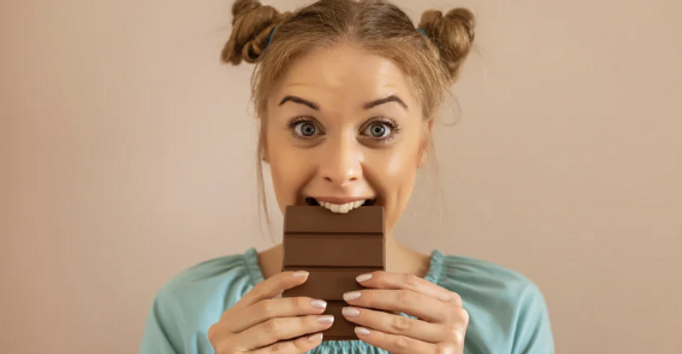
1. Chocolate – One of the most common cravings. Beyond its delightful taste, chocolate contains magnesium, which can help relax muscles and reduce cramps. Opting for dark chocolate not only satisfies the craving but also provides antioxidants and minerals (Harvard T.H. Chan School of Public Health, 2021).
2. Salty Foods – Cravings for chips or pretzels might indicate your body’s need to retain more sodium due to hormonal fluctuations. However, excessive salt can lead to bloating, so moderation is key (American Heart AssociaThe Brain’s Role: Serotonin and Comfort Eating
Serotonin, often dubbed the “feel-good” neurotransmitter, plays a significant role in mood regulation. Low serotonin levels can lead to feelings of irritability and depression. During the luteal phase, serotonin levels drop, prompting cravings for carbohydrates, which help boost serotonin production. This explains why you might find yourself yearning for pasta, bread, or sugary treats as your period approaches (WebMD, 2023)
3. Carbohydrates – As mentioned earlier, carbs can boost serotonin levels, improve mood and combat PMS-related blues (Mayo Clinic, 2023).
Managing Cravings: Balance and Indulgence
While it’s essential to listen to your body’s needs, managing cravings can help maintain overall health and well-being.
Balanced Meals: Incorporate complex carbohydrates, lean proteins, and healthy fats into your meals. This combination helps stabilize blood sugar levels and keeps you feeling full longer, reducing the intensity of cravings (Harvard Health Publishing, 2022).
Magnesium-Rich Foods: Including foods like nuts, seeds, leafy greens, and dark chocolate can help curb chocolate cravings and alleviate PMS symptoms (National Institutes of Health, 2023).
Regular Eating Schedule: Eating at regular intervals prevents extreme hunger, which can lead to overeating or choosing less nutritious options (Academy of Nutrition and Dietetics, 2023).
Mindful Indulgence: It’s okay to indulge occasionally. Enjoying a small serving of your craved food can prevent feelings of deprivation and reduce the likelihood of bingeing later (Cleveland Clinic, 2022).
The Emotional Connection: Stress and Comfort Foods
Stress can amplify cravings, leading many to seek solace in comfort foods. Recognizing this pattern is the first step toward healthier coping mechanisms.
Alternative Stress Relievers: Engage in activities like yoga, meditation, or even a short walk to manage stress levels (Mindfulness-Based Stress Reduction by Jon Kabat-Zinn, 1990).
Stay Hydrated: Sometimes, thirst is mistaken for hunger. Drinking water throughout the day can help manage unnecessary snacking (Harvard School of Public Health, 2022).
Conclusion: Embrace the Cycle
Understanding the science behind period cravings empowers you to make informed choices. While hormonal changes can influence your appetite and food preferences, maintaining a balanced diet, staying active, and allowing yourself occasional indulgences can make your menstrual cycle more manageable. Remember, it’s all about balance and listening to your body’s unique needs.
About The Author: Hi! I’m Kayla. I’m a 10th Grader at East Ridge High school and I currently do Color Guard and DECA. My favorite color is pink and love researching and informing others! In the future, I hope to become a neuropsychologist. I also love singing, dancing, and living life! Period.